
The visual content landscape has changed dramatically in recent years. As attention spans shrink, platforms evolve and audience expectations rise, both news publishers and PR teams are being forced to rethink how stories are told.
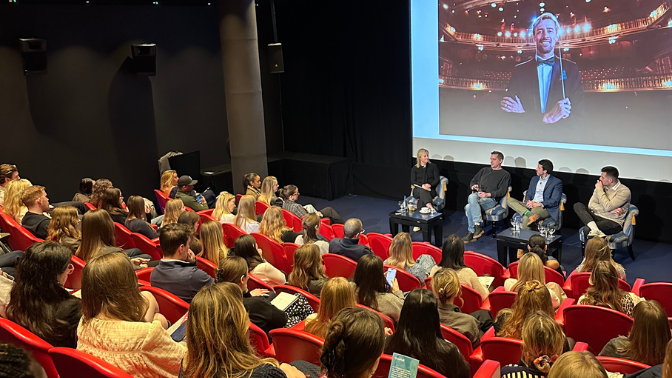
I recently joined a panel discussion alongside industry leaders from PinPep, Daily Mirror and Daily Mail, where we explored how visual storytelling is evolving and what PR professionals need to do to stay relevant. From shifting editorial metrics to the growing demand for authenticity, one thing is clear: success today is about impact, not output.
Quality Over Quantity: A New Editorial Reality
One of the clearest shifts highlighted during the discussion was the move away from volume-driven content. Publishers are no longer chasing page views alone. Instead, quality, relevance and meaningful engagement are the new benchmarks.
Johnny Goldsmith, Picture Editor at the Daily Mirror, spoke candidly about this change, explaining how falling page views have pushed editorial teams to prioritise quality-led storytelling. Metrics such as bounce rate and scroll depth now carry far more weight, offering a clearer picture of whether content is genuinely resonating.
Dan Quinnell, UK Social Video Lead at the Daily Mail, echoed this shift, describing how major publishers are increasingly operating like social-first brands. Content must be brand-safe, culturally relevant and instantly engaging—especially on platforms where users scroll fast and skip faster.
For PR teams, this reinforces the need to focus on fewer, stronger visual assets that earn attention and justify their place in a crowded feed.
Authenticity and the Rise of Human-Centred Storytelling
Alongside quality, authenticity has become a defining factor in visual performance. Audiences are increasingly disengaged from overly polished, generic visuals that feel manufactured or distant.
At PinPep, we’re seeing growing demand for content that feels real—human moments, first-person perspectives and visuals that prioritise emotional connection over perfection. On the panel, we discussed how audiences are fatigued by stock-style imagery and are far more responsive to content they can genuinely relate to.
Publishers reinforced this point, noting that first-person storytelling and unforced content consistently outperform traditional formats. Whether it’s behind-the-scenes imagery, creator-led visuals or user-generated content, authenticity is now a powerful engagement driver.
Collaboration and Transparency: Building Stronger Partnerships
Another key takeaway was the importance of early collaboration between PR teams and publishers. Strong visual content rarely happens at the pitch stage—it’s built through shared thinking from the very beginning.
From the perspective at PinPep, being involved early allows us to guide creative decisions, shape visual approaches and ensure assets truly align with editorial needs. That early input leads to more relevant, usable content and stronger outcomes for everyone involved.
Transparency also plays a crucial role—particularly as new technologies such as AI-generated imagery become more widely used. Clear communication around how visuals are created, what’s real and what’s enhanced helps maintain trust and credibility with publishers and audiences alike.
Blurring the Lines: Publishers as Creators
The conversation also explored how publishers themselves are evolving. Many are now building in-house creator teams and embracing the creator economy, producing social-first and platform-native content at scale.
For PR professionals, this shift presents both challenges and opportunities. The lines between publisher, creator and brand are increasingly blurred, which means strategies must be more flexible, collaborative and culturally informed than ever before.
Key Takeaways for PR Professionals
- Prioritise quality over quantity by focusing on engagement rather than reach
- Champion authenticity and human‑led storytelling that feels genuine and relatable
- Collaborate early and openly with publishers to ensure alignment from the outset
- Be transparent, particularly when using emerging technologies
- Stay agile as publisher and creator roles continue to merge
We believe the future of visual storytelling lies in thoughtful collaboration, creative honesty and a deep understanding of what audiences truly connect with. By embracing these shifts, PR teams can build stronger partnerships with publishers and create content that doesn’t just get seen—but genuinely lands.