
Why Diversity, Equity and Inclusion Must Stay at the Heart of PR
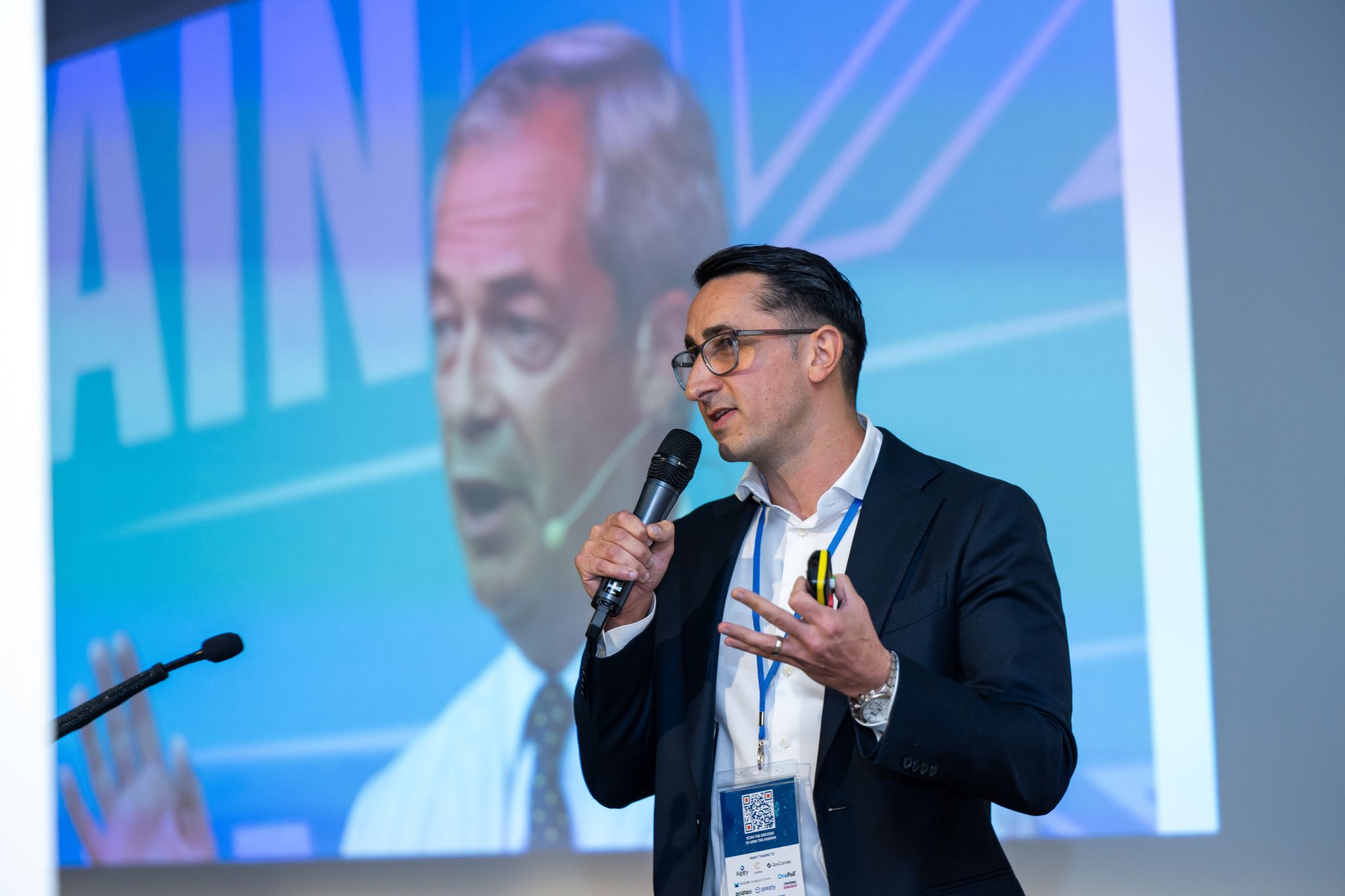
At the recent PRCA UK Conference, Koray Camgöz, Chief Executive of the Taylor Bennett Foundation, delivered a powerful reminder of why inclusion isn’t just a moral imperative, it’s a business-critical one.
He opened with a striking example. A university lecturer helping international PR students apply for placements discovered none were receiving responses. When the students changed their names to more Western-sounding ones, nearly all received replies, and many were invited to interview. It was a clear demonstration of the unconscious (and sometimes blatant) bias that continues to shape opportunities in communications.
For Koray, names matter. They carry history, pride, and identity. His own Turkish surname, complete with the two dots above the “O” that he once avoided using, has become something he now embraces and insists on spelling correctly. It’s a reminder that our industry must recognise and respect difference, because identity is never something to erase.
Diversity: The Business Case
Inclusion conversations are often mischaracterised as “political” or “culture war” issues, but Korey was unequivocal: this is about performance. Research shows that companies in the top quartile for ethnic diversity are 37% more likely to outperform competitors. Diverse teams make better decisions, improve productivity, and strengthen retention.
He illustrated this with his time at Ketchum, where he worked alongside creative director Indy Selvarajah and his diverse team. For Indy, diversity didn’t just improve creativity, it defined it. The fusion of perspectives became the “secret sauce” that powered award-winning work.
The flipside is just as telling. Tesco’s Eid Mubarak range once included smoky bacon Pringles, and Samsung released an ad showing a woman running carefree through London at 2am, in the wake of tragic, high-profile murders. Both examples sparked public backlash and highlighted what can happen when the people making decisions all come from similar backgrounds.
Where PR Stands Today
Our industry still has a long way to go. Nine in ten communications professionals identify as white. Around 28% are privately educated - four times the national average. And because success in PR often comes down to networks rather than qualifications, the playing field remains far from level.
But Koray was clear: the way forward isn’t about abstract ideals, it’s about practical steps.
- Start with data. Who’s getting promoted? Who’s leaving? What do exit interviews reveal?
- Observe your culture. Who’s dominating meetings? Whose voices are missing from decision-making?
- Set goals. Link inclusion directly to business objectives and keep them alive by talking about them at every level.
- Seek help. Grassroots organisations such as the Black Comms Network, Asian Communications Network, People Like Us, and the Taylor Bennett Foundation exist to support employers on this journey.
The Taylor Bennett Foundation in Action
The Taylor Bennett Foundation has spent 17 years creating opportunities for Black, Asian and ethnically diverse professionals in PR. Its flagship PR Training Programme has a 97% employment success rate, while initiatives like Summer Stars internships and Reverse Mentoring pairings are reshaping the industry from entry-level to leadership.
Koray closed with the story of Suleika Mahamud, a trainee whose candid account of her family’s experience with polio during a Gates Foundation masterclass eventually led to her speaking on a panel in Brussels alongside Bill Gates himself. One opportunity changed her career trajectory - and that, Korey said, is exactly what true inclusion makes possible.
A Call to Action
At 72Point, we know PR thrives on fresh perspectives, creativity, and cultural understanding. As Koray reminded us, inclusion isn’t about “special treatment” - it’s about recognising that opportunities are not evenly distributed and working actively to close the gap.
The challenge is real, but so is the opportunity. By embedding equity and inclusion into our industry’s DNA, we don’t just create fairer workplaces, we create better, braver, and more effective communications.
We are proud to be supporting The Taylor Bennett Foundation’s PR Cup initiative, raising money for their vital work in opening up opportunities and championing diversity and inclusion in our industry.
